Picture two dogs on the same street. One is a Rottweiler who has been trained, exercised, and socialized since puppyhood. The other is a small, nervous terrier who has never met a stranger without barking. Which one is more likely to snap at a visitor? Many people would guess the big dog, and many of them would be wrong.
That is the problem with lists of the most aggressive dog breeds. They are popular, they are shocking, and they are often misleading. Still, breed history does matter. Some dogs were created to guard, to fight, or to protect, and those instincts do not disappear just because a dog lives in a nice home. If you own one of these dogs, or you are thinking about getting one, you need real information, not fear.
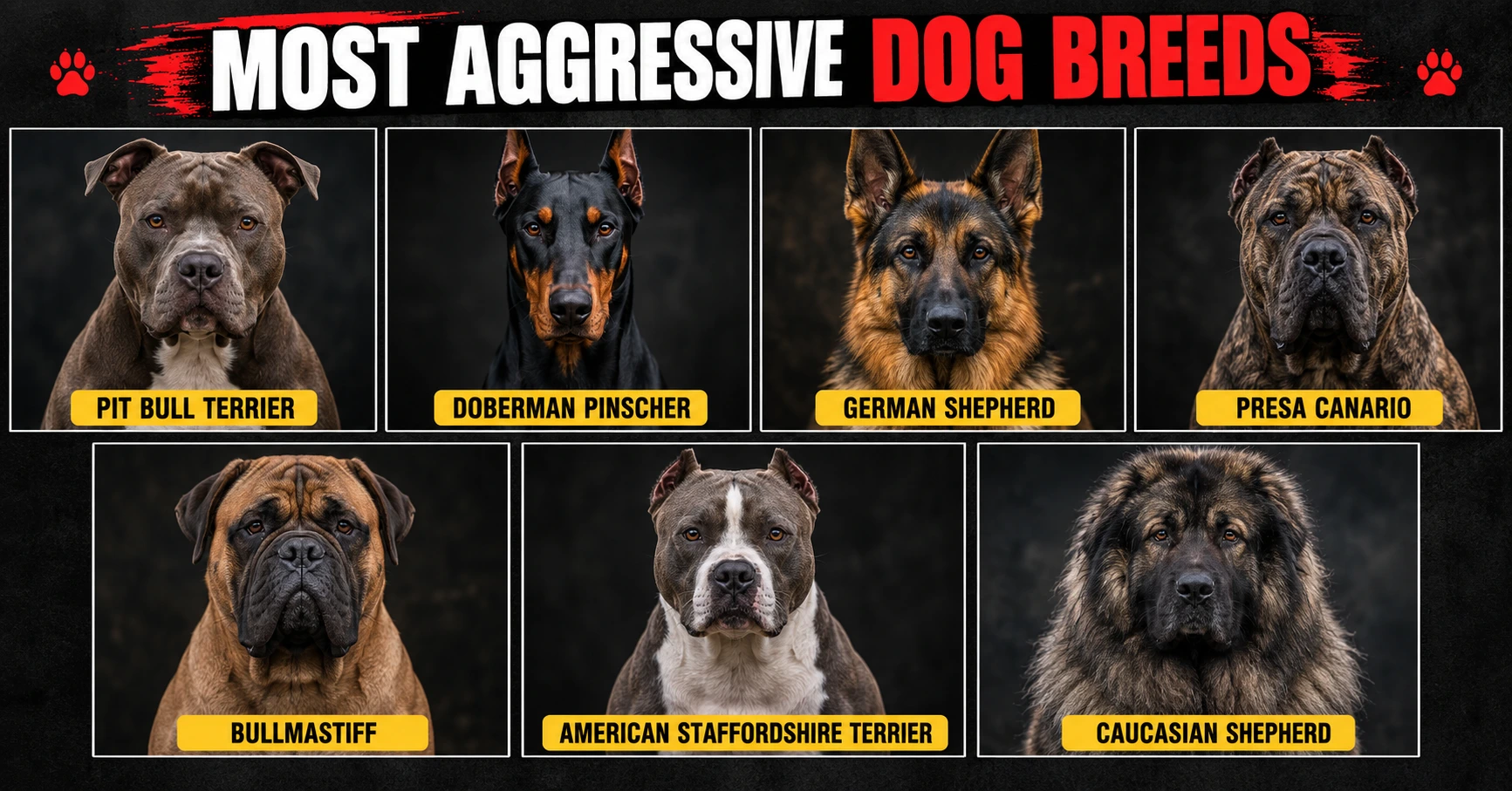
This guide covers the seven breeds from our pin, where their reputation comes from, what living with them is really like, and what every owner can do to raise a safe, steady dog.
Why “Aggressive” Is a Tricky Label
Before we meet the breeds, it helps to understand what people mean by aggression. A dog that growls over a bone, a dog that lunges at other dogs on walks, and a dog that bites a stranger are all described as aggressive, but they have very different causes and risks.
Researchers have also found that breed is a weaker predictor of behavior than most people think. A large 2022 genetic study of thousands of dogs found that breed explained only about 9 percent of the differences in behavior between individual dogs. That means two dogs of the same breed can be completely different, and a “dangerous” breed can still produce calm, friendly pets.
So when you read a list of the most aggressive dog breeds, treat it as a list of dogs with strong instincts that need skilled ownership, not a list of dogs that are bad by nature.
The 7 Breeds Behind the Reputation
Pit Bull Terrier
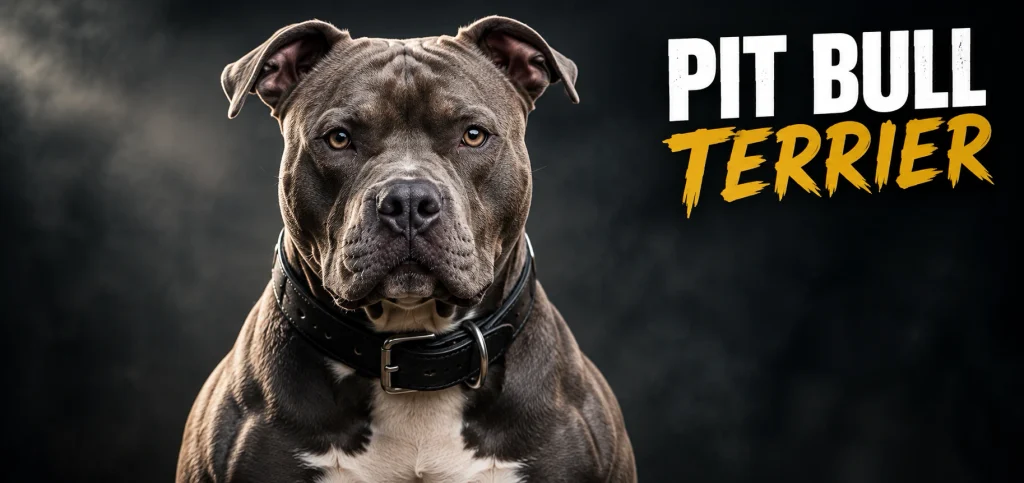
The Pit Bull type descends from bulldogs and terriers bred in the British Isles for bull-baiting, and later misused for dog fighting. That history gave them tremendous strength, stamina, and determination.
The reputation: Powerful bites and a history of fighting have made headlines, and the media often labels any strong dog with a blocky head as a “pit bull”.
The reality: Most are people-loving, goofy, and eager to please. The real concern is dog-to-dog reactivity, which can show up in adulthood if a dog is not socialized well.
Best owner: Someone who can commit to early socialization, secure fencing, and strong leash handling.
Doberman Pinscher
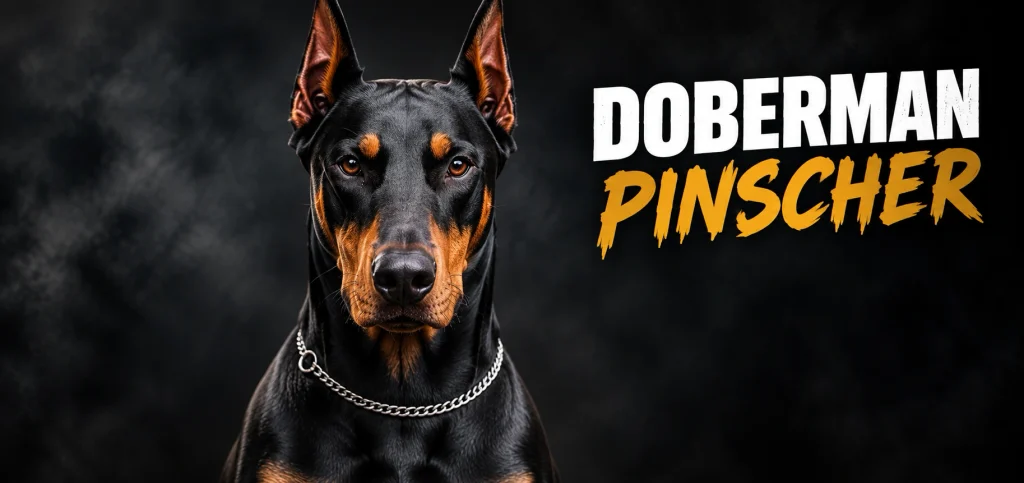
A German tax collector named Karl Friedrich Louis Dobermann developed this breed in the late 1800s to protect him on his rounds. The result was a fast, fearless, and highly intelligent guard dog.
The reputation: Their alert stance and protective nature make them look intimidating.
The reality: A well-raised Doberman is affectionate and deeply attached to its family. Problems usually come from boredom, a lack of training, or inadequate exercise.
Best owner: An active person who wants a training partner and can give the dog daily mental and physical work.
German Shepherd
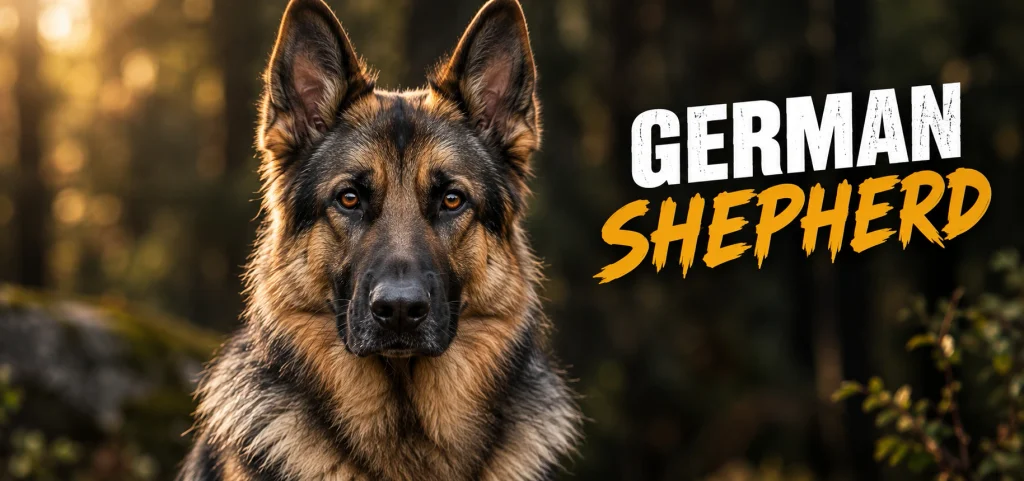
Captain Max von Stephanitz developed the German Shepherd in 1899 as the ideal herding and working dog. Today they serve in police work, the military, and search and rescue.
The reputation: Their use as protection dogs, and their wariness toward strangers, lead many people to label them aggressive.
The reality: They are intelligent and sensitive. A German Shepherd that lacks socialization or a job can become anxious, and anxiety is a common root of reactive behavior.
Best owner: A confident, consistent person who will train daily and expose the dog to many people and places as a puppy.
Presa Canario
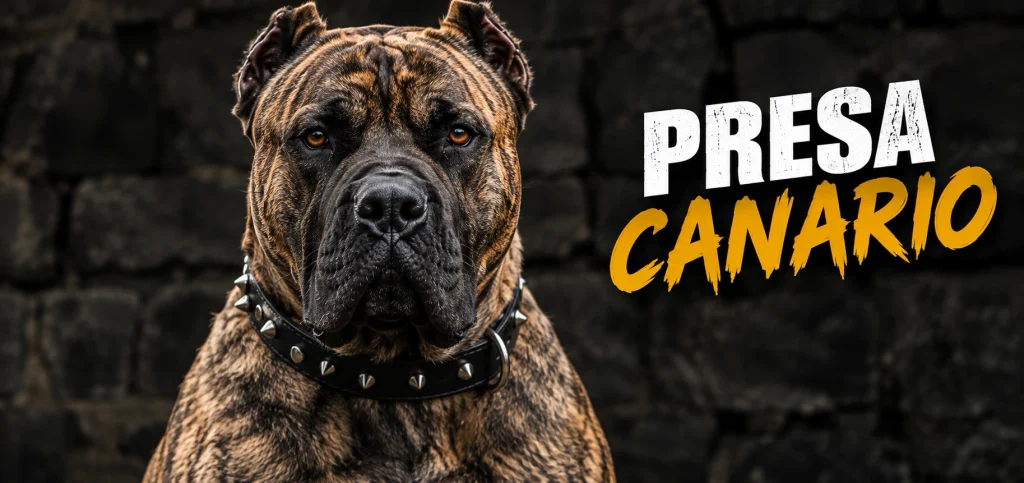
The Presa Canario comes from the Canary Islands, where it was used to guard livestock and property. It is large, muscular, and naturally protective.
The reputation: A few high-profile incidents and its size have given the breed a serious image.
The reality: This is a true guardian breed. It is calm with its own family but can be very suspicious of strangers, and it can be strong-willed.
Best owner: An experienced handler with secure fencing and access to a professional trainer. It is not a beginner’s dog.
Bullmastiff
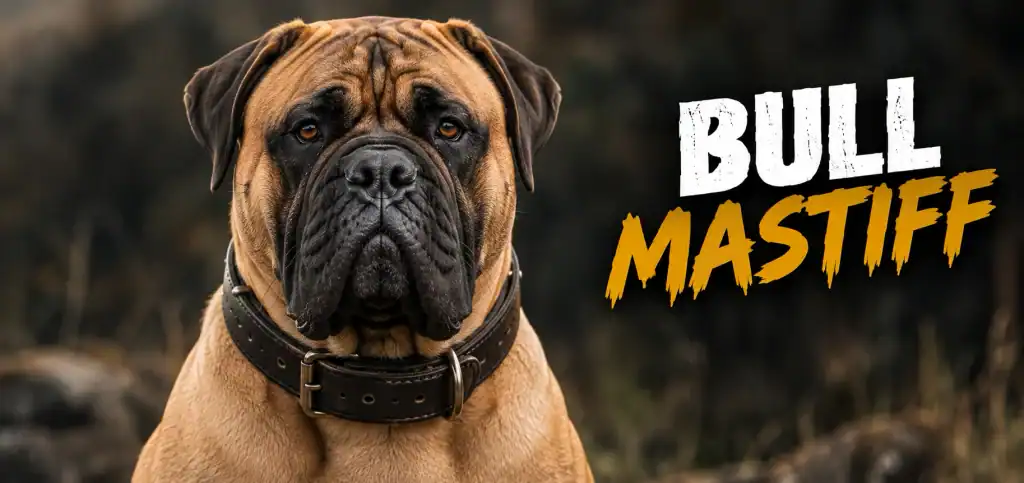
English gamekeepers developed the Bullmastiff in the 1800s to guard estates and stop poachers. The breed was designed to hold intruders without causing harm.
The reputation: Their size and powerful build alone make people nervous.
The reality: Most Bullmastiffs are calm, affectionate, and surprisingly lazy at home. The risk comes from a large, stubborn dog that was never taught manners.
Best owner: Someone who will start obedience early, because it is much harder to train a 120-pound adult than a puppy.
American Staffordshire Terrier

The American Staffordshire Terrier shares its ancestry with the Pit Bull type, and it is muscular, athletic, and people-oriented.
The reputation: It is often lumped in with other “bully breeds” and judged by looks alone.
The reality: Many are playful, loyal, and eager to please their families. Like many terriers, some are selective about other dogs and will need guidance.
Best owner: An owner who enjoys training and will put time into dog socialization.
Caucasian Shepherd

Livestock guardians in the Caucasus mountains created this giant breed to protect flocks from wolves and bears. They are independent thinkers, which is what makes them good at their job.
The reputation: They are huge, fluffy, and fiercely territorial.
The reality: They are loyal and calm with their family, but they trust their own judgment more than yours. Without early training and strict boundaries, they can become dominant guards.
Best owner: An experienced person with a large, secure property and a lot of patience.
What Really Causes Aggressive Behavior
When behaviorists look at a dog that bites, they rarely find a “bad dog”. They find a dog with a problem. The most common causes include:
- Fear. Most aggression comes from fear. A dog that feels cornered, startled, or threatened is trying to make a scary thing go away.
- Pain or illness. Arthritis, ear infections, dental pain, and many other conditions can make a gentle dog snap when touched. A sudden change in behavior is a reason to see the vet.
- Resource guarding. Some dogs protect food, toys, beds, or even people.
- Territorial behavior. Guardian breeds may protect the yard, the house, or the car.
- Poor socialization. A dog that never learned that new people, dogs, and noises are safe may overreact to them.
- Frustration and boredom. A dog with too much energy and no outlet will find its own, and it is often destructive or pushy.
- Past trauma or harsh handling. Dogs trained with fear and force often become more reactive, not less.
How to Read a Dog Before It Bites
Almost every bite is preceded by signals that people miss or ignore. Behavior experts often describe a “ladder” of warnings, starting with subtle signs and ending in a bite when the earlier signals are ignored. Watch for:
- Early stress signs: Lip licking, yawning, looking away, or a tight mouth.
- Escalating signs: Whale eye (showing the whites of the eyes), a stiff body, freezing, or moving away.
- Serious warnings: Growling, a hard stare, showing teeth, raised hackles, or a stiff, high tail.
- Last-resort behavior: Snapping, lunging, or biting.
The most important rule is this: never punish a growl. A growl is information. If you teach a dog that growling gets it in trouble, it may stop warning you and go straight to biting.
Socialization: The Most Powerful Tool You Have
The most sensitive period for puppy socialization is roughly the first 3 to 14 weeks of life. Experiences during this window shape how a dog sees the world for years. Good socialization means safe, positive exposure to:
- Different kinds of people, including children, men with beards, and people in hats or uniforms
- Calm, vaccinated, friendly dogs
- Vehicles, vacuum cleaners, doorbells, and other everyday sounds
- Car rides, grooming, vet visits, and being handled
Talk with your vet about safe ways to socialize before your puppy finishes its vaccinations. Adult dogs can still learn, but it takes more time and patience, and a trainer’s help is wise.
Training That Works (and Training That Backfires)
Modern behavior science strongly favors reward-based training. Dogs repeat behaviors that pay off, so reward calm manners with treats, praise, and play.
What works:
- Short, daily training sessions
- Clear, consistent rules for the whole household
- Teaching reliable basics: sit, down, stay, leave it, and come
- Using a sturdy harness or a well-fitted collar, and good leash skills
- Plenty of exercise and mental games, like puzzle feeders and scent work
What backfires:
- Hitting, yelling, or using shock or prong tools
- “Alpha rolls” and other dominance techniques
- Punishing warning signals like growling
- Leaving a dog tied or chained for long periods
Whatever breed you choose, your bond with your dog is something to be proud of. Many owners celebrate that bond in a lasting way, and you can find inspiration in our guide to 4 creative dog tattoo ideas, from simple paw prints to detailed portraits.
Keeping Children and Guests Safe
Any dog, from any breed, can bite if it is pushed too far. These rules protect both people and pets:
- Never leave a young child alone with a dog, even a trusted family pet.
- Teach kids not to hug, ride, or grab dogs, and not to bother them while they eat or sleep.
- Always ask the owner before petting an unfamiliar dog.
- Give your dog a safe place, such as a crate or quiet room, where it can retreat.
- Keep leashes, fences, and gates secure, especially with strong guardian breeds.
What to Do If Your Dog Already Shows Aggression
If your dog is growling, snapping, or biting, you can still take clear steps:
- Book a vet check. Rule out pain, illness, or hormonal problems first.
- Stop any harsh correction. Punishment usually makes fear-based aggression worse.
- Identify the triggers. Write down when and where the behavior happens, and what was nearby.
- Manage the environment. Use baby gates, leashes, and distance from triggers to prevent bites while you work on the problem.
- Get qualified help. Look for a certified professional dog trainer, a certified applied animal behaviorist, or a veterinary behaviorist.
- Practice gradual training. Professionals often use desensitization and counterconditioning, which slowly teach the dog to feel calm around its triggers.
- Consider muzzle training. A properly introduced basket muzzle is a safety tool, not a punishment, and many dogs accept it happily.
Serious aggression is not a do-it-yourself project. If a dog has bitten someone, get professional help right away.
Laws, Insurance, and Practical Matters
Some towns, housing complexes, and insurance companies restrict certain breeds, and the rules change from place to place. Before you adopt, check:
- Local breed or dangerous-dog laws
- Your landlord’s pet policy
- Whether your homeowner’s or renter’s insurance covers your breed
- Leash, fencing, and muzzle requirements in your area
The American Veterinary Medical Association opposes breed-specific laws, because breed is hard to identify and these laws do not address the real causes of dog bites.
Choosing the Right Dog for Your Life
If you love one of these breeds, that is not a reason to feel guilty. Ask yourself honest questions:
- Do I have experience with strong or protective dogs?
- Can I exercise and train my dog every day for its whole life?
- Do I have secure fencing and the space this dog needs?
- Is my household calm enough, or are there small children to consider?
- Am I ready to pay for professional training if needed?
If the answer is yes, the right dog can be a wonderful companion. If the answer is “not yet”, there is no shame in choosing an easier breed or waiting until your situation changes.
The message on our pin says it best: aggression is not born, it is often shaped. The most aggressive dog breeds on any list are not doomed to bite. They are dogs with big instincts, and they need owners who match that with knowledge, patience, and love. Do you share your home with one of these breeds? Tell us what it is really like in the comments, and follow our Pinterest board for more dog care and training tips.