You are chopping vegetables for dinner, and suddenly a hopeful face appears at your feet. Can your dog eat that carrot? What about broccoli?
The good news is that many vegetables are safe and healthy for dogs. They are low in calories, high in fiber, and full of vitamins. In this guide, we cover the best vegetables for dogs, how to serve each one safely, and what to keep away from your pup.
Why Vegetables Are Good for Dogs
Complete dog food should always be the base of your dog’s diet, but vegetables make a smart extra. They offer:
- Low calories, which helps with weight control
- Fiber for healthy digestion
- Vitamins and antioxidants to support the immune system, eyes, and skin
- A crunchy snack that replaces processed treats
Vegetables are a supplement, not a replacement for balanced dog food.
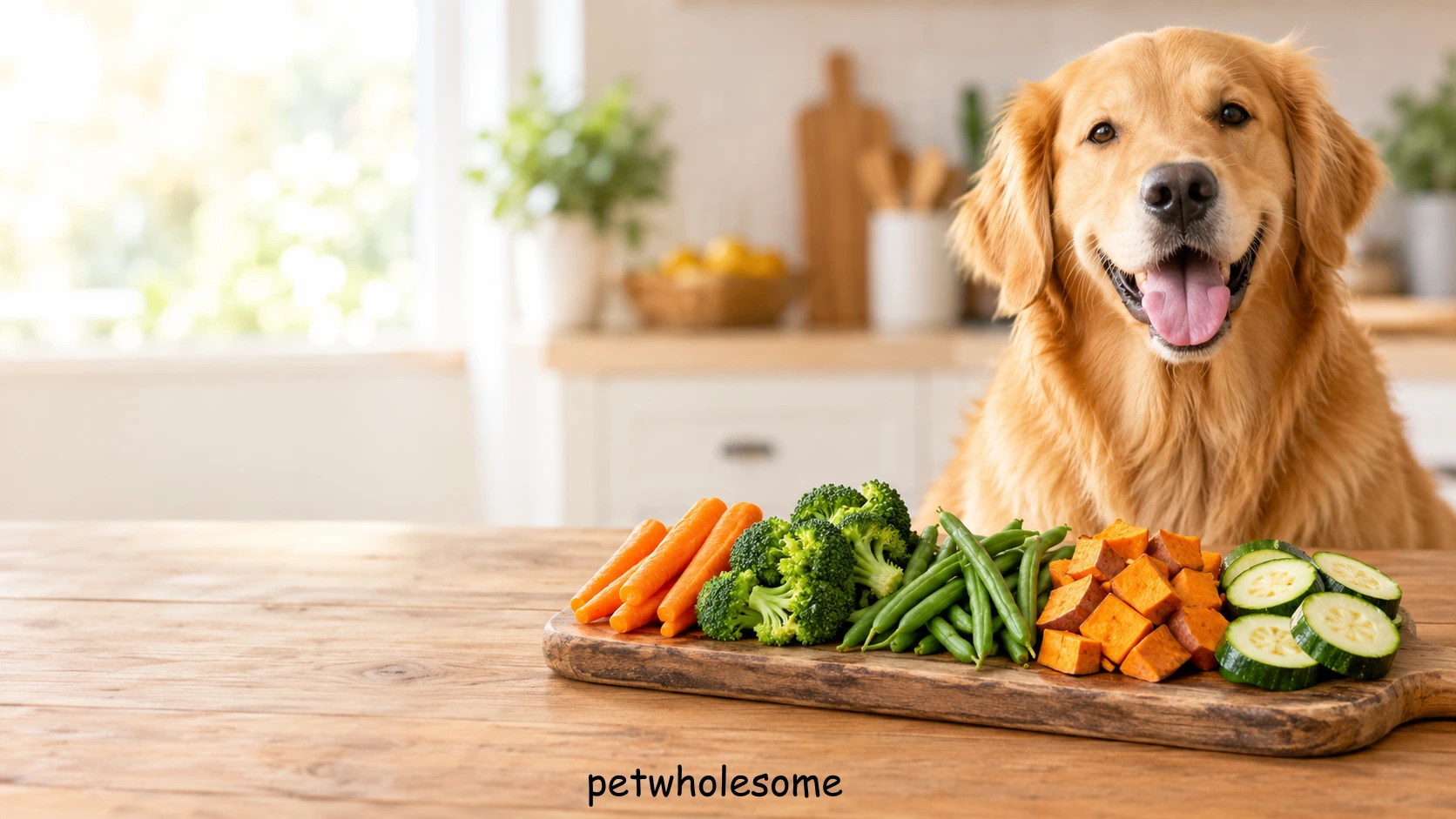
The 5 Best Vegetables for Dogs
1. Carrots
Carrots are one of the best vegetables for dogs because they are crunchy, sweet, and rich in beta-carotene, which supports eye health and the immune system. Chewing raw carrots may also help keep teeth cleaner.
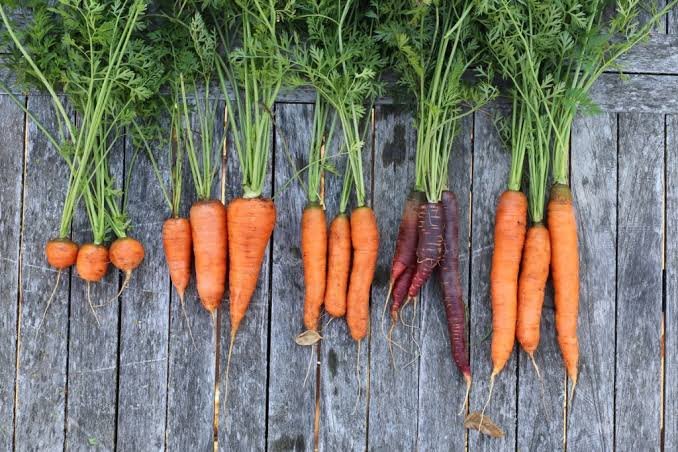
How to serve: Raw or cooked, cut into small pieces to prevent choking. Frozen carrot sticks are great for teething puppies.
2. Broccoli
Broccoli is packed with vitamins and antioxidants, but it needs careful portions. It contains compounds that can irritate the stomach when your dog eats too much.
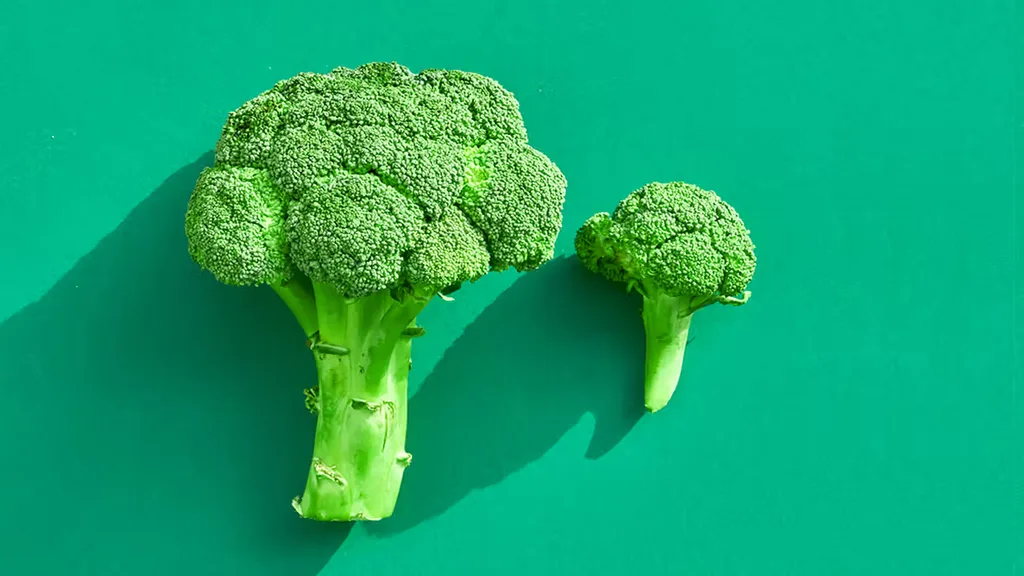
How to serve: A few small, plain florets, raw or steamed. Keep it to an occasional treat.
3. Green Beans
Green beans are low in calories and high in fiber, which makes them a favorite for dogs on a weight management plan. Many dogs love their crunch.
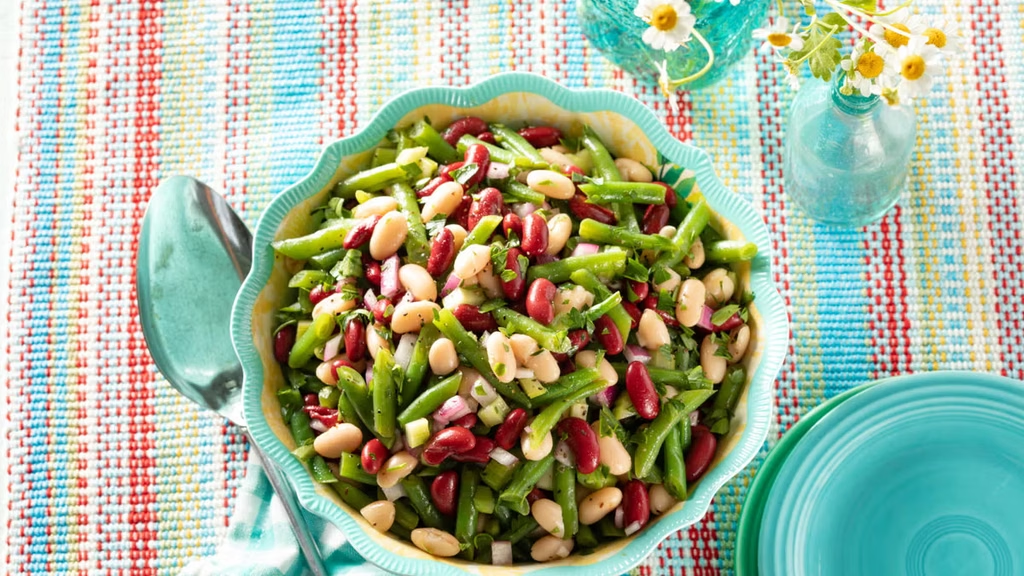
How to serve: Fresh, steamed, or plain frozen. Never use canned green beans with added salt.
4. Sweet Potato
Sweet potato is rich in beta-carotene, fiber, and vitamins, and it supports healthy digestion.

How to serve: Always cooked and plain, with no butter, sugar, or seasoning. Raw sweet potato is hard to chew and digest, so skip it.
5. Zucchini
Zucchini is light, hydrating, and low in calories. It is gentle on most dogs’ stomachs, so it is a good first vegetable to try.
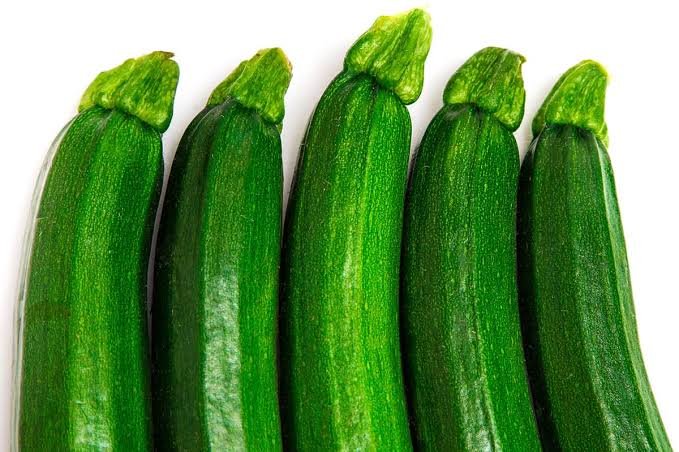
How to serve: Sliced, steamed, or lightly cooked, with no oil or seasoning.
Vegetables Dogs Should Never Eat
Some vegetables are dangerous for dogs. Keep these away from your pet:
- Onions, garlic, chives, and leeks: They can damage a dog’s red blood cells, even in small or cooked amounts.
- Corn on the cob: The cob can cause a dangerous intestinal blockage.
- Wild mushrooms: Some types are highly toxic.
If your dog eats something toxic, call your vet or an animal poison hotline right away.
How to Safely Feed the Best Vegetables for Dogs
- Introduce one vegetable at a time. Start with a tiny piece and watch for stomach upset.
- Wash and cut into small pieces. This lowers the risk of choking.
- Keep it plain. No salt, butter, oil, garlic, or onion.
- Watch the portions. Treats, including vegetables, should stay under about 10% of your dog’s daily calories.
Tips to Remember
- Start small and go slow.
- Cook when needed, and cut into small pieces.
- Keep vegetables plain, with no seasoning.
- Check with your vet if your dog has health problems, such as kidney disease or a sensitive stomach.
Frequently Asked Questions
Can dogs eat vegetables every day?
Yes, in small amounts. Most healthy dogs can have a few pieces of safe vegetables daily, as long as they stay within the 10% treat limit.
Are raw or cooked vegetables better for dogs?
Both can work. Raw vegetables give a nice crunch, while cooked ones are easier to digest. Sweet potato should always be cooked.
What are the best vegetables for dogs with a sensitive stomach?
Plain cooked sweet potato and green beans are gentle options to try in small amounts. Ask your vet first if your dog has ongoing digestive trouble.
Can puppies eat vegetables?
Many puppies can have small pieces of cooked carrot or green beans. Check with your vet first, since puppies have sensitive stomachs.
Final Thoughts
Adding the best vegetables for dogs to their routine is an easy, affordable way to give them a healthy snack. Start with carrots, green beans, or zucchini, introduce new foods slowly, and keep the portions small.
Which of these 5 vegetables does your dog love most? Tell us in the comments, and follow our Pinterest board for more dog care tips. Before you go, read our guide on 5 mistakes every dog owner should avoid to keep your dog happy and healthy.